After VE Day the local paper (West Sussex County Times) quickly pulled together a series of articles looking at the work locally of various wartime organisations that were essential during the conflict.
Using the information provided we are publishing a number of posts looking at how Horsham fared on the Home Front. This time we feature the Home Guard.
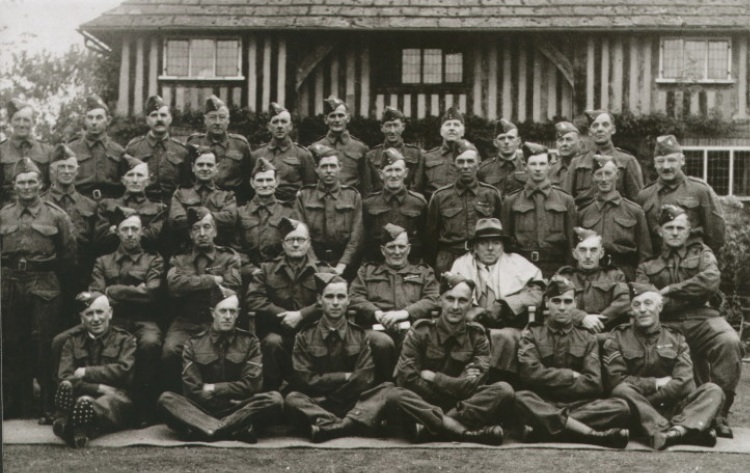
The Home Guard was originally called the Local Defence Volunteers (LDV), a title that described their purpose very well, and the call went out on May 14 1940 for men to join up.
Many of those that served in the Great War did indeed sign up on their way to work the following day.
The West Sussex Home Guard Zone was overseen by a Regional Commissioner, Colonel Ebenezer Pike, who asked Lieut-Col G. Hornung to form the third battalion.
Col Hornung asked various men to take charge in the districts, including Warnham, Shipley, Billingshurst and Crawley, among others.
The Company HQ was set up on May 16 in the decontamination centre within the police station, in Park Street, and staff assigned.
Within the Horsham district there were plenty of volunteers and a few days later days the first weapons and ammunition arrived, including 120 rifles (303s) with ten rounds each.
The change from the name LDV came about in July 1940 when Prime Minister Winston Churchill said in a speech that he preferred the title Home Guard.
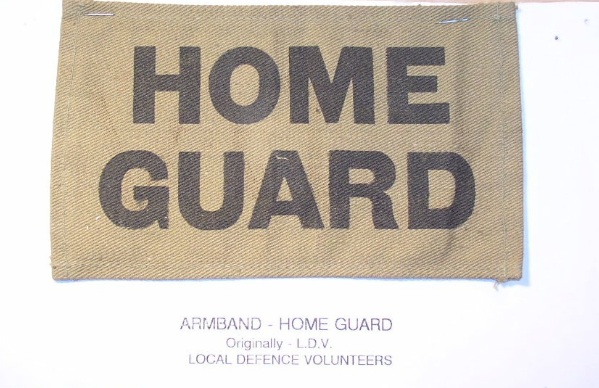
More equipment arrived for the Horsham district, with around 160 shotguns, more rifles and armbands so the men could be identified.
While the Home Guard was constantly vigilant, much of the time was taken up in exercises, often along with Canadian troops. In June 1941 ‘Waterloo’ saw Horsham ‘captured and re-taken’.
The Horsham third battalion issued its own battle booklet (months before a similar official booklet was published), which was based on experimental training by the Billingshurst company.
The Home Guard stopped being voluntary in May 1942 and an Act of Parliament allowed men, aged 42 to 51, to be compulsorily enrolled for units that were under strength.
Around this time the Horsham HQ moved from Park Street to the Drill Hall in Denne Road and the company was split into three companies.
By September 1944 it was accepted that the threat of enemy troops landing in the UK had diminished and so compulsory enrolment stopped and at the start of November the Home Guard was stood down, with a Horsham final parade taking place on December 3.
Discover more from Friends of Horsham Museum & Art Gallery
Subscribe to get the latest posts sent to your email.
 Friends of Horsham Museum & Art Gallery
You must be logged in to post a comment.