Every driver today is well aware of the various speed limits on the roads and the penalties for breaking those limits. They also know about the modern and sophisticated methods police use to check on drivers.
However, take a trip back to 1922 and it’s interesting to see how the law was enforced!
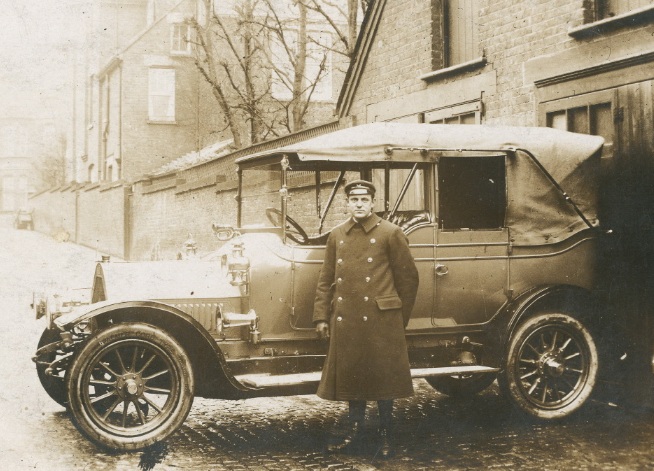
The first person to drive a petrol-driven car in the UK was the Honourable Evelyn Ellis of Datchet, near Windsor, in 1895.
So, less than 30 years later, we find a report in the local newspaper of four policemen checking on various motorists in Warnham, near Horsham, who were all driving towards London on a Sunday evening.
As result, eight were summoned to the Petty Sessions in Horsham the following week, charged with driving at a speed that was dangerous to the public. There was a second summons against them for driving in excess of the 20mph national speed limit.
However, a solicitor acting for five of the gentlemen suggested that only one summons be used as it was unfair there were two charges for the same set of circumstances.
To calculate how fast each person was travelling the police had used a measured distance of 220 yards on the Warnham Road with the two Warnham MIll bridges (each about 16ft wide) in the distance. There were no footpaths.
Sadly, it’s not recorded how the police managed to calculate the speed and then contact their fellow officers up ahead quick enough to get the vehicles to stop!
However, the first defendant, who was on a motor-bike on that Sunday, said he didn’t know there was a speed limit and that “I must try and go slower; I don’t know if I can.” He had covered the distance in 12 and 4/5th seconds – a speed of 35 miles and 275 yards.
There were three women on one of the bridges and other people nearby which, the police said, meant the motor-bike was a danger to the public.
However, the defendant claimed he was in full control and that extra speed was needed downhill to ensure the vehicle could get up the rise!
There was just one A.A. (Automobile Association) sign ‘Narrow bridge, safety first’ and it was said that the County Council were not prepared to ‘plaster the roads with “danger” notices, because motorists would not take a little trouble to use common-sense’.
The motor-bike rider was fined £5 (around £285 today) after hearing he had a clean licence and had been driving for a considerable time in East Africa.
The second defendant, a car driver clocked at 30mph, was more belligerent! ‘I was not going any quicker than the others. Why the hell don’t you get the lot. You ought to have something better to do!’ Some unwise comments as he had been fined twice before for speeding and driving to the public danger. He had to pay £10 and his licence was endorsed.
Some defendants claimed that they had been driving slower than the speeds the police calculated. However, these claimed speeds were still faster than the speed limit!
The passenger (and boss) of one driver said he had come ‘at great inconvenience to protest against the insinuation that they were driving to the danger of the public. It was a slur on the driver and himself’. There was also a J.P. (Justice of the Peace) in the car at the time who said there was not the slightest danger. The driver was fined £10 (it was said there would probably be an appeal!).
All the defendants were fined and there were some interesting comments revealed when the police stopped the drivers. ‘It’s a lot of damned rot. Pity you are not all at church’ said one. ‘I have run for three years without being pulled up for any offence’, said another.
Interestingly, the costs for each defendant was two shillings to cover the fee of a watch-maker who was in attendance, presumably to help with the speed calculations.
Discover more from Friends of Horsham Museum & Art Gallery
Subscribe to get the latest posts sent to your email.
 Friends of Horsham Museum & Art Gallery
You must be logged in to post a comment.