Back in 1971 this week the United Kingdom went decimal. For the more recent generations it’s perhaps difficult to fathom how we managed with pounds, shillings and pence!
For those that don’t remember or are too young to know, each British pound sterling was divided into 20 shillings, and each shilling was 12 old pence to make up 240 pence per pound (have we confused anyone yet?).
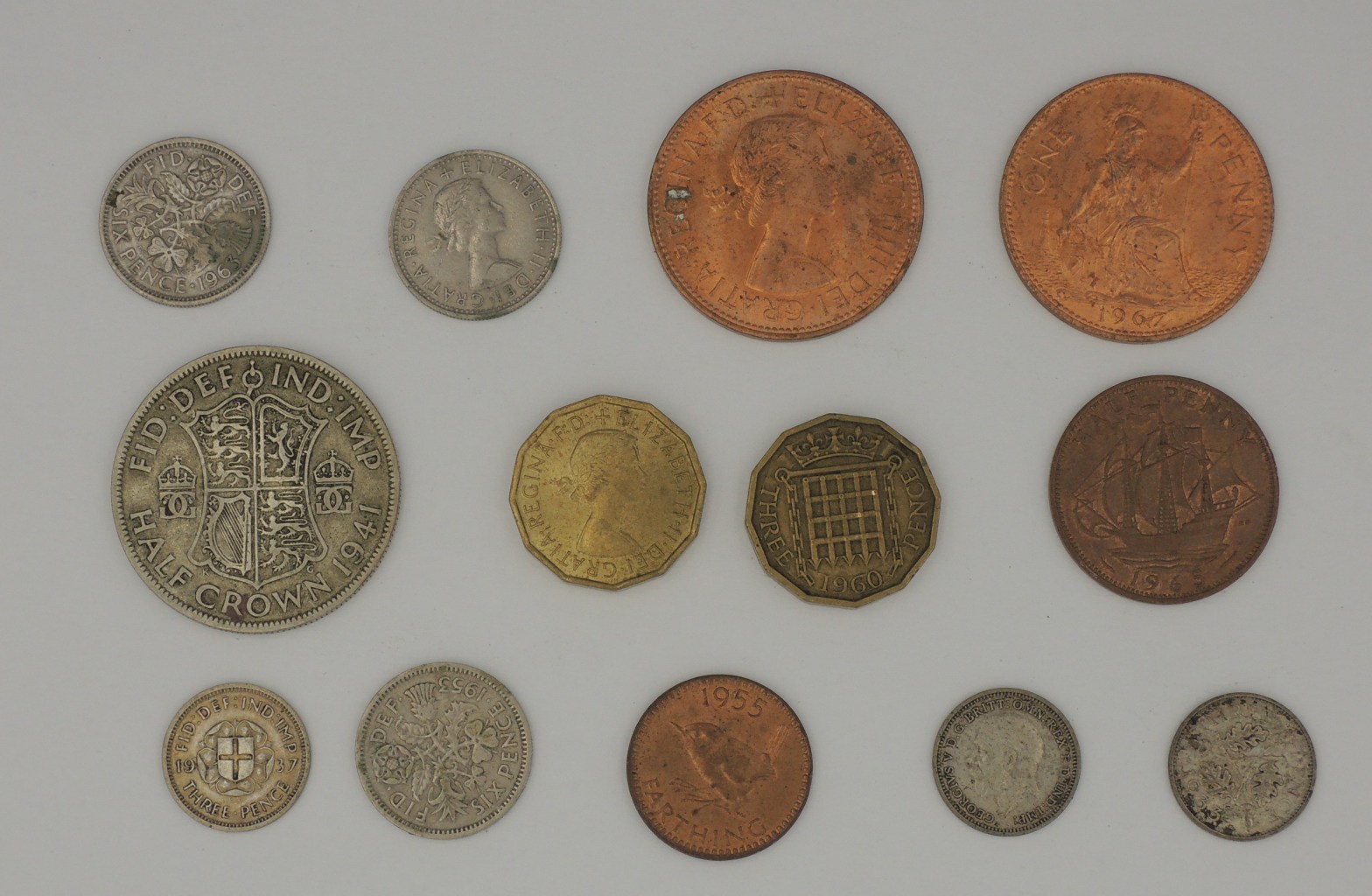
Going back a bit further there were 3d coins (‘d’ being the term for a penny). Pre-1937 they were very small silver coins but became the 12-sided brass version.
There were also half-crowns (two shillings and sixpence). These were taken out of circulation in 1970 ahead of decimalisation.
Those of more mature years may well remember the farthing! This was removed from circulation in 1961. It was worth a quarter of a penny (the name deriving from old English meaning a fourth part). The reverse side often featured a wren.
When decimalisation came in, the new penny (now denoted by the letter ‘p’) was worth 2.4 old pence and the coins featured the word ‘new’ but this was eventually dropped.
A new half penny was minted initially to represent the approximate worth of one old penny but this was dropped in 1984.
Way back in 1824 there was a proposal to introduce a decimal system but this was rejected by Parliament. The only concession later on was the introduction of the two-shilling florin, introduced in 1849, which was one-tenth of a pound.
Horsham Museum % Art Gallery has numerous coins in its archives and a selection of interesting ‘tokens’ on view in the Medieval Gallery.
The Museum is open Tuesday-Saturday 10am-4pm.
Discover more from Friends of Horsham Museum & Art Gallery
Subscribe to get the latest posts sent to your email.
 Friends of Horsham Museum & Art Gallery