There are 12 museum objects available to adopt (see below). Click on the picture to find out more about each object. The money raised through this scheme helps fund important projects at the museum, such as the conservation of our collection and the purchase of important objects.
Terms and conditions
- Each object may be adopted by up to five individuals.
- Objects that are not on display are not eligible for adoption.
- The Friends of Horsham Museum and Art Gallery or the Museum team may alter the adoption lists at any time. (If objects are removed from the list existing adopters may still be able to renew their adoption if they wish, depending on the reason for removal).
- Adopting an object will not give you any rights over the object itself or images of it.
- Occasionally the museum may, for essential operational, health and safety or conservational reasons, need to remove an adopted object from display either temporarily or permanently. In the case of temporary removal, adopters will be notified. You should always call us, just in case, if you are travelling specifically to see the object.
- Adoption is for one year. Existing adopters will be invited to renew their adoption before the end of the twelve month period.




How you can adopt an object
Adults can adopt museum objects for £15. Children can adopt museum objects for £5.
When you adopt an object, you will receive:
- An adoption letter and an an adoption certificate
- Regular email newsletters from the museum
- Your name on the object’s label for a whole year (unless you choose to remain anonymous).
You can adopt an object for someone else – just give us their name and details on the application form so that we can prepare their adoption certificate.
Alfred Shrubb’s Running Shoes
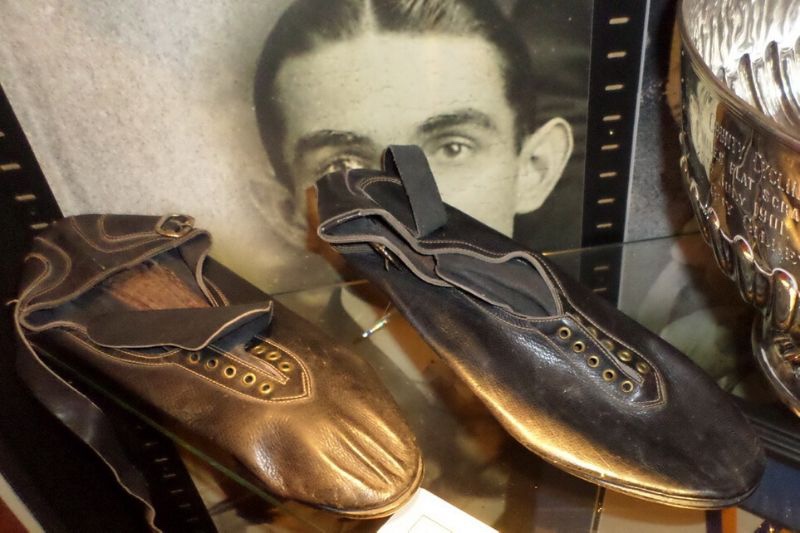
World champion middle and long distance runner Alfred Shrubb was born at Slinfold in 1879 and dominated the sport in the Edwardian era. During an amateur career lasting from 1899 to 1905 and a professional career from 1905 to 1912 he won over 1,000 races and set 28 world records.
In 1908 he became a coach at Harvard and then from 1919 to 1928 he coached the Oxford University Athletic Club. He finally settled in Canada, where he died in 1964.
Shrubb is commemorated by the annual Alfie Shrubb Museum Run in Bowmanville, Canada and the annual Alf Shrubb Memorial 5 mile cross-country run in Slinfold.
Now fully subscribed.
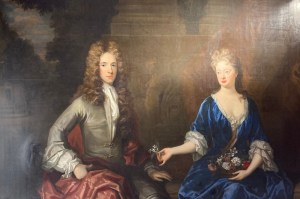
Portrait of Lord and Lady Eversfield
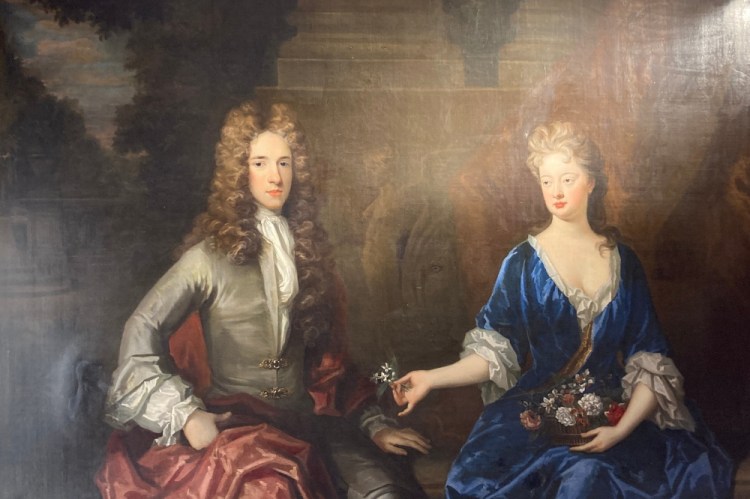
This portrait is of Eversfield (1683-1749) and his first wife Mary (née Dunscombe) who lived at Denne Park in Horsham. Charles Eversfield was an MP for Horsham from the age of 21 and for the next 36 years. During this period Horsham was known as a ‘rotten borough’ due to powerful members of the community influencing the few landowners in Horsham who were eligible to vote.
Charles Eversfield’s first wife died in 1714 and he would remarry Henrietta Maria Lady Jenkinson in 1731. A visitor to Denne Park in 1724 described the portrait which confirms that it is of Charles’ first wife Mary. The portrait artist is not known, as it appears that the painting has been cut down, which would have removed the signature.
The portrait remained at Denne Park until just after the end of the second world war, when the last of the family there passed away. It was bought by Horsham Museum Society in 1948 following a fundraising campaign.
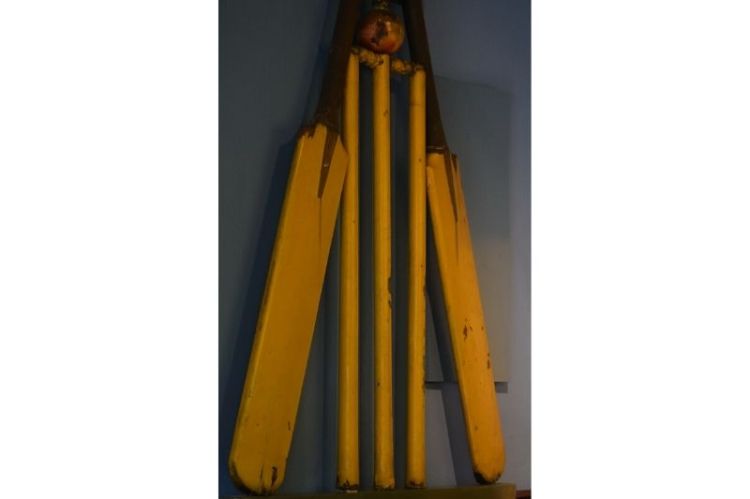
Cricket Stumps, Bat and Ball

This unusual design for a shop sign for Attwater’s of Horsham illustrates the importance of cricket to the district’s heritage.
Cricket was played as early as 1719 in Henfield and the village has one of the oldest clubs in the area.
Jolly Sausage sign

The jolly sausage sign has been part of the museum’s collection since 1984, when it was discovered in the premise of a shop which was moving to a new location.
Following a newspaper article calling for information it was suggested that the sign hung on a butchers shop in the town, and photos from the time show it to be in Queen Street.
Local legend says that it is covered in dents and scratches because troops stationed in the town used it for target practice, as the shape of the ‘jolly sausage’ resembles a swastika.
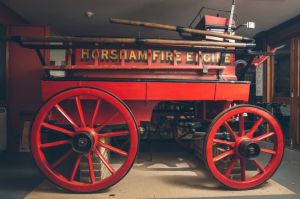
Fire Engine
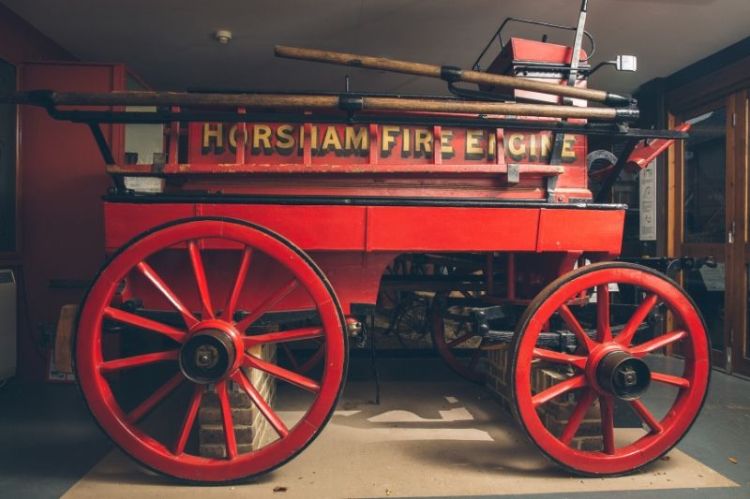
This horse-drawn manual fire engine cost £225.1s.0d when purchased by 548 subscribers and 60 volunteers of the Horsham Voluntary Fire Brigade in 1863 from Shand and Mason, London.
Twenty men were needed to operate the engine with two horses kept on standby to pull the engine when required. The 1977 restoration was carried out by firemen from the Divisional Headquarters of the Sussex Fire Brigade, Hurst Road, Horsham.
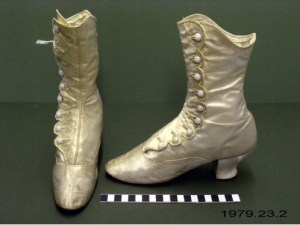
Wedding boots
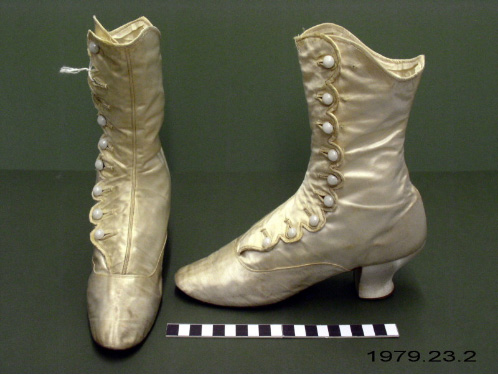
These boots are from about 1880 and are typical of those worn at Victorian weddings.
They are made of white silk and calfskin with nine pearl button fasteners.
The styles at this time were still heavily influenced by the wedding of Queen Victoria in 1840, who famously set the trend for a white wedding dress which is still popular today.
Mummified Cat

The desiccated (mummified) cat seen in the Cabinet of Curiosities was found walled up in a local building.
Many cats have been found walled in and were probably put into a newly built home after death to ward off evil spirits or as a good luck charm.
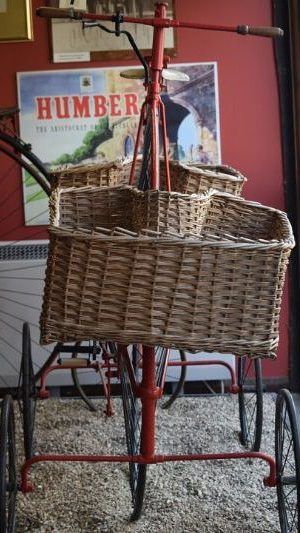
Pentacycle

Invented by Edward Bairstow, a Horsham architect, the Centre-Cycle was patented in 1881.
An adapted design was submitted to the Post Office to be used for post and parcel delivery, but after completing trials the Post Office announced that the vehicle was not suited for their purpose.
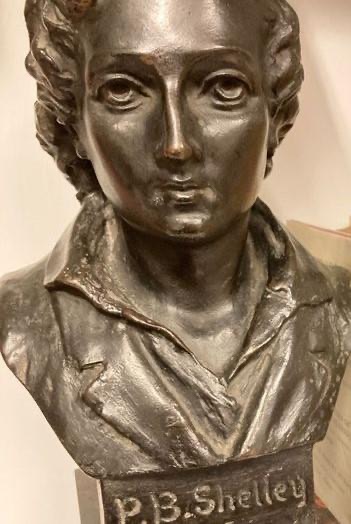
Percy Bysshe Shelley bust
Percy Bysshe Shelley was born in Warnham in 1792 and died in Italy in 1822.
In between was a life well publicised, with highs and lows, discord with his family, marriage to Harriet Westbrook, her suicide, a love affair with and subsequent marriage to Mary Godwin, publication of Queen Mab and other poetry, espousal of radical causes and revolutionary ideas, showing open hostility to Christianity and finally running away to Italy.
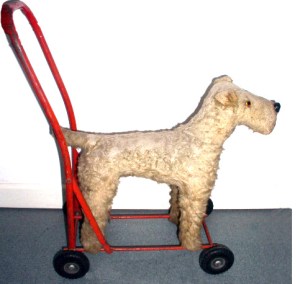
Push Along Dog

This push along dog was made by the British toy company, Lines Brothers Ltd in the early 20th century.
Formed in the Victorian era, by 1947 they claimed to be the largest toy manufacturer in the world.
Lines were less well-known for their soft toys, like this dog, which they sold under the name Pedigree Soft Toys, as many of their toys were model cars or railways.
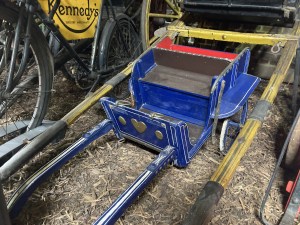
Goat cart

This cart from 1904 would have been used for a goat to pull along a small child.
Although not impossible, it is unlikely that it was designed for a dog to pull.
Dog carts were banned in Britain in 1841, as before that they had been used quite widely, particularly for local deliveries such as milk.
The act had quite a bit of opposition as dogs were cheaper to own than the types of livestock allowed to be used after the act was passed.
Magic Lantern
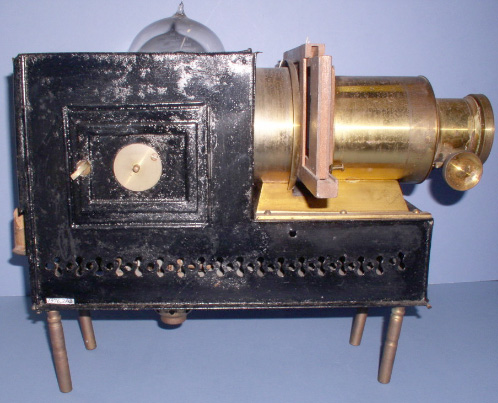
The Magic Lantern was a popular Victorian device which illuminated pictures in a sequential order to give the impression of moving pictures.
They were often rented out by photographers or opticians alongside a lanternist.
The shows would usually be accompanied by sound effects and narration to bring the story to life.
The magic lanterns were not without risk, as although they were initially illuminated by candles, later minerals and chemicals were burned instead which gave a stronger light, but a higher risk of poisonous gases and even explosions.
 Friends of Horsham Museum & Art Gallery
You must be logged in to post a comment.