It’s Women’s History Month! Every year there’s a different theme and this year it’s Moving Forward Together! Women Educating and Inspiring Generations.
Over the next four weeks we have a quartet of Horsham women for whom that theme was incredibly relevant!
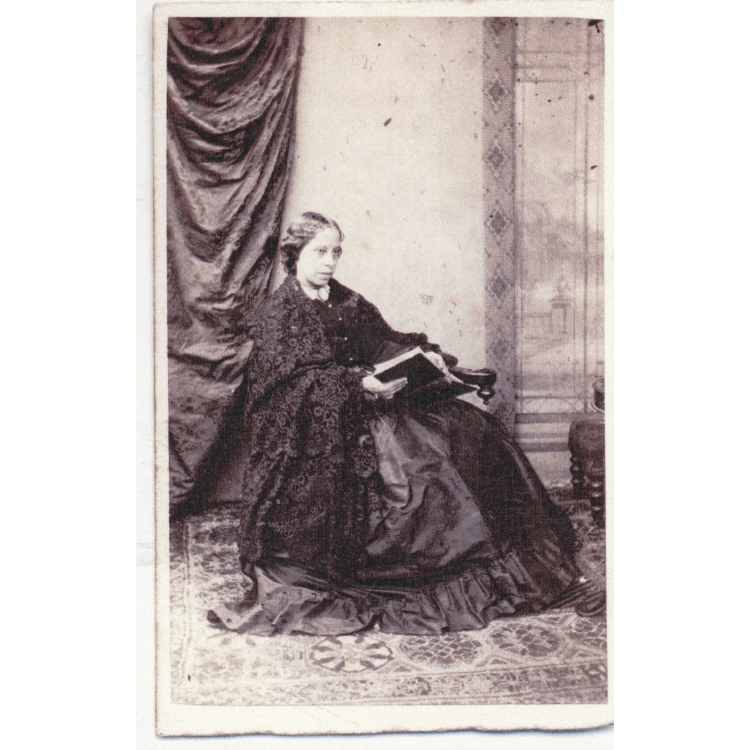
This week we focus on a woman who belonged to an influential Horsham family and who could have just sat back and simply enjoyed the wealth and privilege her position provided.
However, Dorothea Hurst was keen to make her mark and wrote the first historical account of Horsham, along with setting up a school for poor children, plus other charitable work.
She was the daughter of Robert Henry Hurst Senior, a Guards Officer in the Peninsular War (1808-1814) fighting Napoleon’s forces.
In 1832 he was elected MP for Horsham, the year the Parliamentary Reform Act transformed the voting system in the UK which made him the first MP to serve Horsham following these reforms. He would serve a further three times and his son, Robert Henry Hurst Junior, also became an MP.
The Hursts were a major land-owning family in Horsham and lived in Park House from 1799, a building which remains on North Street at the edge of Horsham Park.
In an era when few women were able to extend any influence outside their family, it is full credit to Dorothea that she turned her talents to philanthropic work.
She set up a school for poor children in nearby Roffey (called Star Row back then) and, despite being more than two miles away, Dorothea walked to the educational establishment every day from her home, which was then in the Causeway.
She also took an interest in the Juvenile Branch of the Zanzibar Mission, which cared for and provided schooling for children rescued from slavery.
Her lasting legacy, though, is writing the book ‘History and Antiquities of Horsham’, which was published in 1868 with a revised and extended version in 1886.
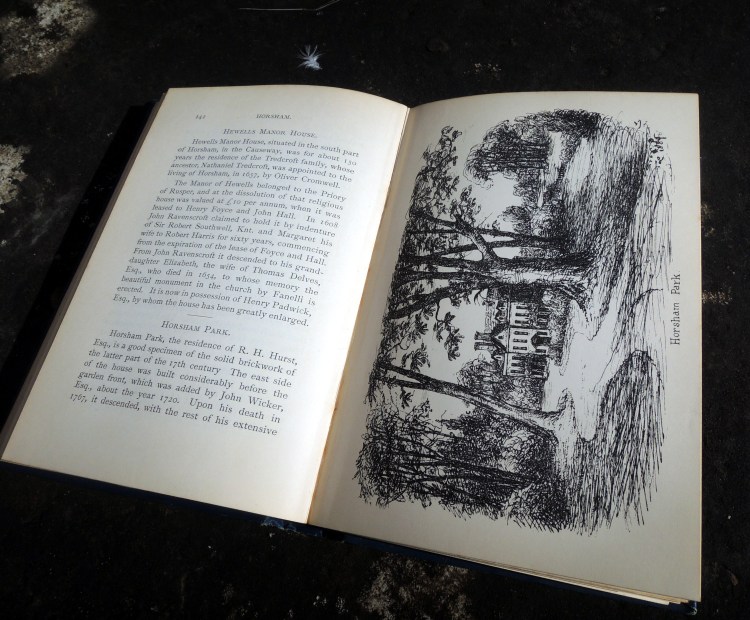
She did not, however, give her name as author in the first edition, but was rightly acknowledged in the second edition.
A sad fact, but in those days history was not written by women so she, like others before and after her, let the public initially assume the book was written by a man.
The work itself is full of fascinating facts, describing family homes that have long since disappeared as well as a detailed look at St Mary’s Church.
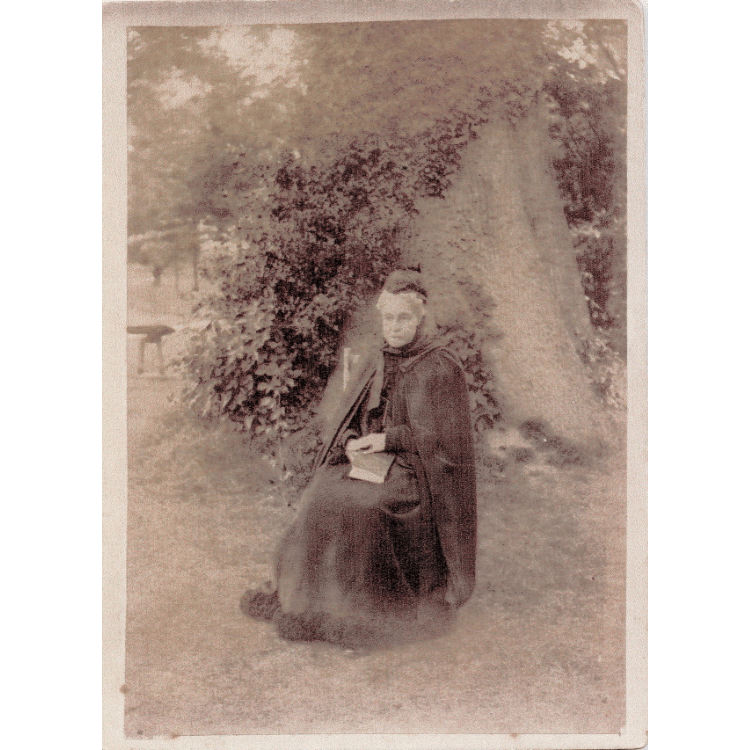
Dorothea was also an artist and exhibited several watercolours at the Exhibition of Sussex Artists at the Horsham Art School just months before she passed away. The school was in Hurst Road and was founded by Robert Henry Hurst Junior.
She died, aged 80, on January 1, 1900 – the first day of the new century.
The local newspaper report at the time said she had been living with her sister, Isabel, in the Causeway, but ‘had been ailing for some time’.
It said she was ‘a lady of considerable culture’ and ‘much esteemed throughout the neighbourhood’.
Discover more from Friends of Horsham Museum & Art Gallery
Subscribe to get the latest posts sent to your email.
 Friends of Horsham Museum & Art Gallery
You must be logged in to post a comment.